One of the best things about homeschooling is the ability to turn a simple story into a meaningful learning experience. A children’s book does not have to be read once and placed back on the shelf. With the right plan, one book can become a complete weeklong homeschool unit that includes reading, discussion, writing, creativity, comprehension, vocabulary, and character-building lessons.
This approach works especially well for homeschool families because it keeps learning connected. Instead of jumping from one unrelated worksheet to another, children spend several days exploring one story deeply. They get to know the characters, understand the setting, think about the problem, reflect on the lesson, and respond in different ways. A good book can become the center of a full week of learning.
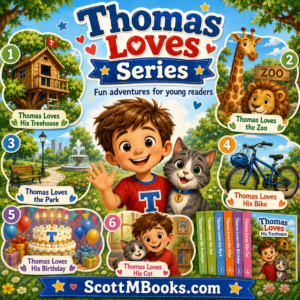
Books such as Turtle Points, the Thomas Loves Series, the Lily Series, and the Sally Series are especially helpful for this kind of homeschool planning because they include relatable characters, gentle lessons, and meaningful themes. These stories can help children practice reading while also learning about kindness, responsibility, courage, patience, friendship, compassion, and making good choices.
Why Use a Children’s Book as a Homeschool Unit?
Children often learn best when lessons feel connected to something they care about. A story gives them characters to remember, events to follow, emotions to understand, and lessons to apply. When a child reads about Thomas caring for Whiskers, Lily helping on the farm, Sally making a new friend, or Ben showing kindness through Turtle Points, the lesson becomes easier to understand because it is shown through action.
A weeklong book unit also gives parents a simple structure. Instead of planning five completely separate lessons, you can use one story in five different ways. Each day has a clear focus: read, discuss, write, create, and reflect. This keeps the homeschool week organized while still allowing room for creativity and conversation.
The 5-Day Homeschool Book Unit Plan
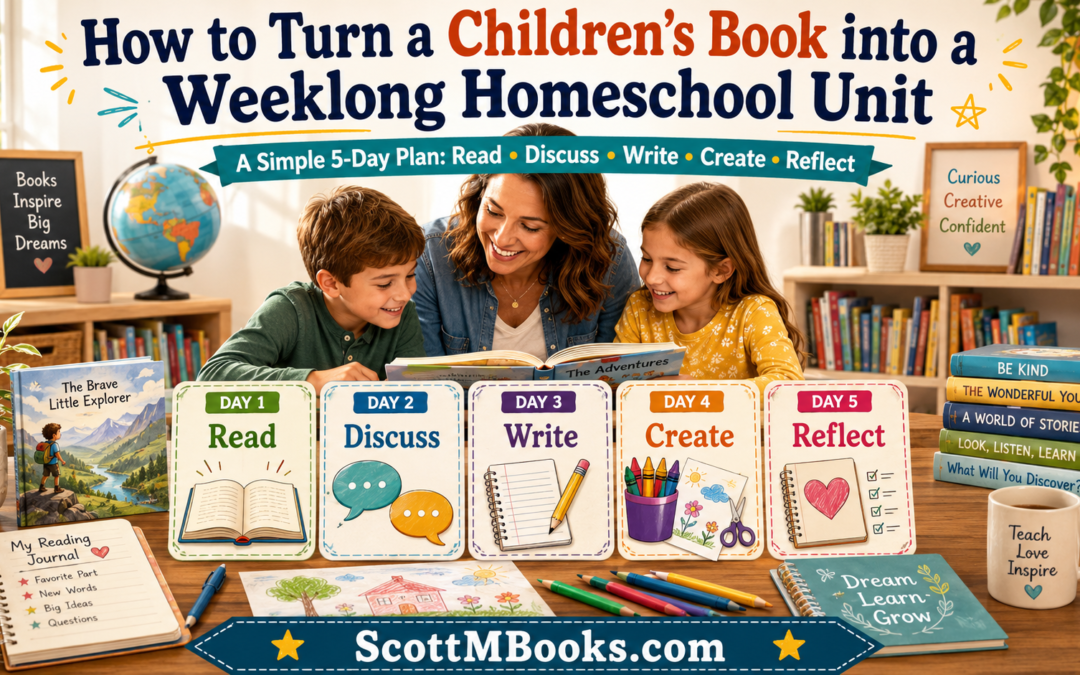
A simple weeklong unit can be built around five daily goals:
Day 1: Read
Day 2: Discuss
Day 3: Write
Day 4: Create
Day 5: Reflect
This structure is easy to follow and flexible enough for different ages. Younger children may need more read-aloud time and drawing activities. Older children may be ready for longer writing assignments, deeper discussion questions, or independent reading. The goal is not to make the week complicated. The goal is to help children engage with one book in several meaningful ways.
Day 1: Read the Story
The first day should focus on reading and enjoying the story. Depending on the length of the book, you may read the whole story in one sitting or divide it into chapters. Younger children may listen while a parent reads aloud. Older children may read independently or take turns reading with a parent.
As you read, encourage your child to notice the main character, setting, problem, and important events. You can pause occasionally to ask simple questions, but try not to interrupt the story too much. Day 1 should feel warm and inviting. The goal is to help your child enter the world of the book.
After reading, ask a few simple questions:
Who is the main character?
Where does the story take place?
What happened in the story?
What part did you like best?
Was there anything that surprised you?
For example, if you are reading a Lily book, your child might notice the farm, the animals, Grandpa Jim, and Lily’s feelings as she learns new responsibilities. If you are reading a Thomas Loves book, your child may connect with Thomas’s everyday experiences, such as caring for his cat or exploring a treehouse. These first impressions are important because they help set up the rest of the week.
Day 2: Discuss the Story
Day 2 is for conversation. This is when children begin to think more deeply about what they read. Discussion helps children build comprehension, listening skills, critical thinking, emotional awareness, and character understanding.
Start with basic comprehension questions:
What happened first?
What happened next?
What happened at the end?
What problem did the character face?
How did the character solve the problem?
Then move into character and lesson questions:
How did the character feel?
What choice did the character make?
Was that a good choice? Why or why not?
What lesson did the story teach?
How can we use that lesson in real life?
This is a great time to connect the book to character development. A Turtle Points story can lead to a discussion about kindness and helping others safely. A Sally story can open a conversation about friendship, inclusion, confidence, and trying new things. A Lily story can help children talk about responsibility, compassion, nature, and courage. A Thomas story can help younger readers understand patience, care, curiosity, and love for family and pets.
Parents do not need to have perfect answers ready. The most important thing is to let children think and talk. Sometimes their answers will be simple. Sometimes they will be surprisingly thoughtful. Either way, discussion helps children make the story their own.
Day 3: Write About the Story
Day 3 turns the story into a writing lesson. Writing helps children organize their thoughts, practice sentence structure, and express what they learned. The writing activity can be short or long depending on the child’s age.
For younger children, use sentence starters:
My favorite part was __________.
The character felt __________.
The story taught me __________.
I can show kindness by __________.
If I were in the story, I would __________.
For older children, use fuller writing prompts:
Write a short summary of the story.
Describe the main character and how they changed.
Explain the lesson of the book.
Write about a time when you showed courage or kindness.
Create a new ending for the story.
Write a letter to one of the characters.
You can also connect writing to vocabulary. Choose three to five important words from the book and ask your child to define them or use them in sentences. Words such as kindness, responsibility, courage, patience, friendship, compassion, careful, helpful, brave, or gentle can connect the story to character lessons.
A writing day does not need to be long. Even a few thoughtful sentences can be valuable. The purpose is to help children move from reading the story to expressing what it meant.
Day 4: Create Something Inspired by the Book
Day 4 is for creativity. Creative activities help children remember the story and respond in a hands-on way. This is especially helpful for children who learn best through art, movement, building, or visual projects.
Here are some creative project ideas:
Draw your favorite scene from the book.
Create a new book cover.
Make a character poster.
Build the setting with craft supplies or blocks.
Design a bookmark with the story’s lesson.
Make a kindness chart inspired by the story.
Create a comic strip showing the beginning, middle, and end.
Color a page connected to the story.
Make a simple craft related to the theme.
For example, after reading Thomas Loves His Cat, a child could draw Thomas and Whiskers in the garden. After reading Sally and the Summer Surprise, a child could create a “Welcome Home, Patches” pet-care chart. After reading Lily and the Summer Farm, a child could draw Lily’s garden row or make a paper birdhouse. After reading Turtle Points, a child could design a turtle kindness badge or create a family kindness log.
Creative projects make learning joyful. They also give parents a chance to see what parts of the story stood out most to the child.
Day 5: Reflect on the Lesson
Day 5 brings the unit together. This is the day for reflection. Reflection helps children think about what they learned, how the story connects to their own life, and what action they can take.
Start by reviewing the story:
What was the book about?
Who was your favorite character?
What was the biggest problem in the story?
How was the problem solved?
What lesson did you learn?
Then move into personal reflection:
How can you show the same lesson at home?
Who can you help this week?
What is one kind choice you can make today?
What responsibility can you practice?
When do you need courage?
How can you be a better friend?
Reflection can be spoken, written, or drawn. Some children may write a short paragraph. Others may draw a picture and explain it. Younger children may simply answer questions aloud.
This is also a good day to complete a character-building activity. If the book taught kindness, do a small act of kindness. If the book taught responsibility, choose one helpful chore. If the book taught courage, try something new. If the book taught friendship, make a card for someone or invite someone to play.
The goal is to move the lesson from the page into real life.
Sample Weeklong Unit Using a ScottMBooks.com Story
Here is an example of how a homeschool parent could use one book for a full week.
Book: Lily and the Summer Farm
Main Theme: Responsibility, courage, compassion, and kindness
Day 1: Read
Read one or more chapters about Lily arriving at Grandpa Jim’s farm and beginning to learn farm responsibilities.
Day 2: Discuss
Talk about how Lily feels, what she is learning, and why Grandpa Jim teaches her to take small steps.
Day 3: Write
Prompt: “Write about one responsibility you have at home. How do you show that you are trying your best?”
Day 4: Create
Draw Lily helping with the animals, planting seeds, or working in the garden.
Day 5: Reflect
Ask: “What did Lily learn about responsibility? What is one responsibility I can practice this week?”
This same structure can be used with any children’s book. The activities can be adjusted for younger or older children, but the daily rhythm stays the same.
Another Sample Unit Using Turtle Points
Book: Turtle Points
Main Theme: Kindness and helping others safely
Day 1: Read
Read the story or a selected chapter.
Day 2: Discuss
Talk about Ben’s kindness, why turtles matter to him, and how small acts can make a difference.
Day 3: Write
Prompt: “Write about one small act of kindness you can do this week.”
Day 4: Create
Make a Turtle Points kindness chart or draw a turtle badge.
Day 5: Reflect
Complete one safe act of kindness and talk about how it felt.
This kind of unit helps children understand that reading can inspire action. They are not only learning what kindness means. They are practicing it.
Tips for Making the Week Successful
Keep the plan simple. You do not need to turn every book into a large project. A few meaningful activities are better than too many worksheets. The goal is connection, not pressure.
Choose books that match your child’s age and interests. A younger child may love stories about pets, birthdays, and parks. An older child may enjoy books with deeper lessons about courage, compassion, nature, or helping others.
Let your child talk. Some of the best learning happens during conversation. When children explain what they think, they are practicing comprehension and critical thinking.
Be flexible. If your child wants to spend extra time drawing, let them. If they are excited about a writing prompt, expand it. If a discussion becomes meaningful, stay with it. Homeschooling allows you to follow the child’s interest while still keeping a strong learning structure.
A Simple Template Parents Can Reuse
Parents can use this same template again and again:
Monday: Read
Read the story or first section. Identify characters, setting, and main events.
Tuesday: Discuss
Talk about the problem, feelings, choices, and lesson.
Wednesday: Write
Complete a writing prompt, summary, journal entry, or vocabulary activity.
Thursday: Create
Draw, color, build, design, or make something connected to the story.
Friday: Reflect
Review the lesson and connect it to real life through discussion or action.
This five-day plan turns one book into a complete homeschool unit without overwhelming the parent or child.
Final Thoughts
A children’s book can become much more than a reading assignment. With a simple five-day plan, one story can teach reading, comprehension, writing, vocabulary, creativity, discussion, and character development. By reading, discussing, writing, creating, and reflecting, children learn to understand stories more deeply and connect them to their own lives.
For homeschool families, this approach brings structure and meaning to reading time. It helps children grow as readers while also helping them become kinder, more thoughtful, more responsible, and more confident.
At ScottMBooks.com, the goal is to provide books and resources that support both learning and character growth. Whether your family is reading Turtle Points, the Thomas Loves Series, the Lily Series, or the Sally Series, each story can become a week of meaningful homeschool learning.
Visit ScottMBooks.com to explore children’s books, activity pages, reading resources, and character-building materials for homeschool families.