Children’s books can be much more than storytime. For homeschool families, one good book can become a complete lesson that includes reading, vocabulary, writing, comprehension, discussion, creativity, and character development. Instead of treating a story as something separate from schoolwork, parents can use it as the center of a full learning experience. A well-written children’s book gives students characters to understand, problems to think about, new words to learn, scenes to imagine, and lessons they can apply to their own lives.
This is especially helpful for homeschool parents because it keeps learning simple, meaningful, and connected. A single story can support several important skills at once. Children can practice listening, reading fluency, vocabulary, handwriting, creative thinking, emotional understanding, and discussion skills. They can also learn values such as kindness, responsibility, courage, patience, friendship, and compassion. When books are used this way, reading becomes more than a subject. It becomes the foundation for learning across many areas.
Start with the Story
The first step is simple: read the story together. Depending on your child’s age, you may read aloud, take turns reading, or ask your child to read independently. Younger children often benefit from hearing the story read with expression, while older children may enjoy reading a chapter on their own and then talking about it afterward.
As you read, pause occasionally to ask gentle questions. You do not need to stop on every page, but a few thoughtful questions can help your child stay engaged. You might ask, “What do you think will happen next?” or “How do you think the character feels right now?” These small pauses help children become active readers instead of passive listeners.
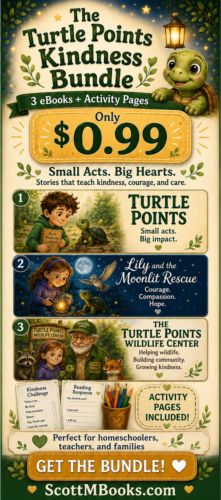
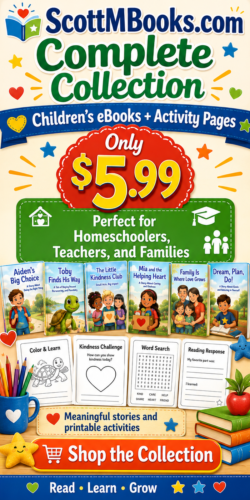
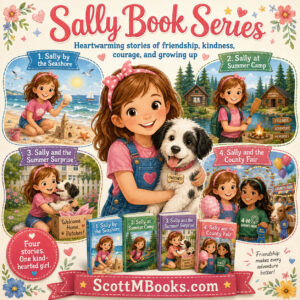
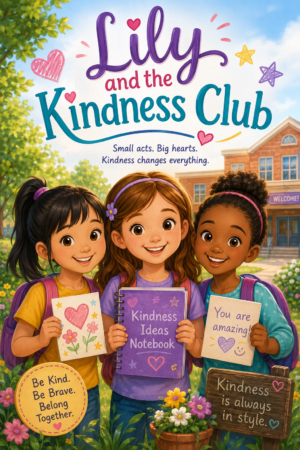
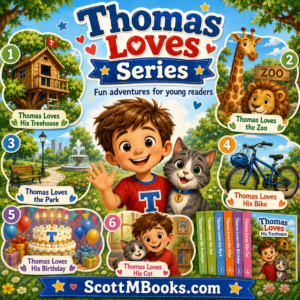
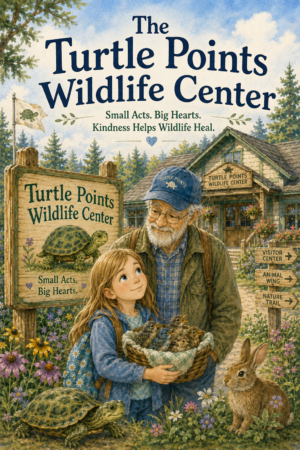
Books like Turtle Points, the Thomas Loves Series, the Lily Series, and the Sally Series work well for this because they are built around relatable characters, meaningful choices, and everyday adventures. Children can understand the situations, connect with the characters, and begin to see the lessons inside the story.
Add Vocabulary Practice
After reading, choose a few words from the story for vocabulary practice. These do not have to be difficult words. They can be words that help children understand the setting, emotions, actions, or lesson of the book. For example, a story about helping animals might include words like “gentle,” “rescue,” “careful,” “responsibility,” or “compassion.” A story about friendship might include words like “include,” “encourage,” “patient,” “brave,” or “kindness.”
Have your child write each word, say it aloud, and explain what it means in their own words. Younger children can draw a picture of the word. Older children can write a sentence using the word correctly. This helps vocabulary feel connected to the story instead of becoming a separate memorization activity.
A simple vocabulary activity might look like this:
Word: Responsibility
Meaning: Taking care of something or doing what needs to be done
Sentence: Lily showed responsibility when she helped with the farm chores.
Draw it: A child feeding chickens, watering a garden, or caring for a pet.
This kind of activity builds language skills while also reinforcing the character lesson of the story.
Use Comprehension Questions
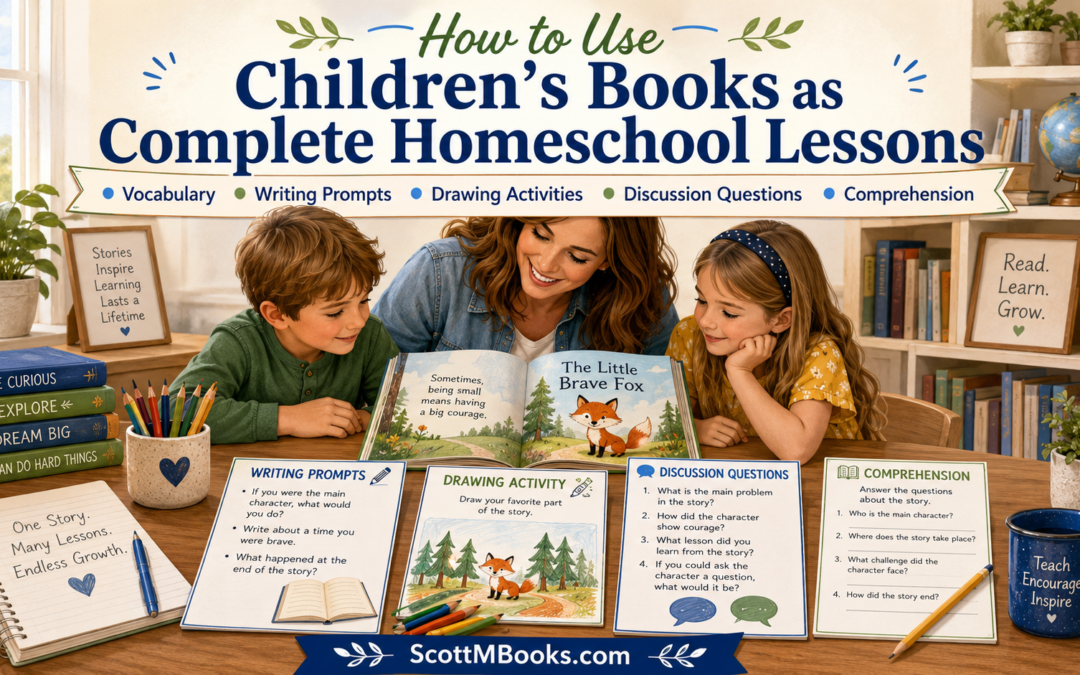
Comprehension work helps children show that they understand what they read. After finishing a chapter or book, ask questions that guide them through the main events, characters, setting, and lesson.
You can begin with basic questions:
Who was the story about?
Where did the story take place?
What problem happened?
How did the character solve the problem?
What happened at the end?
Then move into deeper questions:
Why did the character make that choice?
How did the character change during the story?
What lesson did the story teach?
What would you have done in the same situation?
How can this lesson help us in real life?
These questions help children think beyond remembering facts. They begin to understand cause and effect, character motivation, feelings, and moral choices. In a homeschool setting, this can easily become an oral discussion, a written worksheet, or a family conversation.
Create Writing Prompts from the Story
Children’s books are excellent starting points for writing. After reading, give your child a writing prompt connected to the story. This allows them to practice putting their thoughts into words while reflecting on what they learned.
For younger children, prompts can be short and simple:
My favorite part of the story was __________.
The character was kind when __________.
I can show courage by __________.
If I had a pet like Patches or Whiskers, I would __________.
For older children, prompts can be more detailed:
Write about a time when you had to try something new.
Describe how the main character showed responsibility.
Explain why kindness was important in the story.
Write a new ending for the chapter.
Compare the character’s choice to something you have experienced.
Writing prompts help children connect reading to personal reflection. They also improve handwriting, sentence structure, spelling, grammar, and creative thinking. Best of all, they make writing feel purposeful because it grows naturally from the story.
Add Drawing and Creative Activities
Drawing activities are a wonderful way to help children respond to a book. Many children understand a story deeply but may not always be ready to explain everything in writing. Art gives them another way to show comprehension.
After reading, ask your child to draw a favorite scene from the book. Then have them explain what is happening in the picture. This simple activity helps with memory, sequencing, oral language, creativity, and attention to detail.
Other creative activities may include:
Drawing a new book cover
Creating a character poster
Making a story map
Designing a kindness badge
Drawing the setting
Creating a comic strip of the main event
Making a bookmark with the story’s lesson
For example, after reading a Lily story, a child might draw Lily helping an animal or working on Grandpa Jim’s farm. After reading a Thomas Loves book, they might draw Thomas caring for his cat, riding his bike, or exploring a treehouse. After reading a Sally book, they might draw Sally at the seashore, summer camp, or the county fair. These activities make the story memorable and fun.
Include Character Lessons
One of the strongest reasons to use children’s books in homeschooling is that stories teach character naturally. Instead of giving children a lecture about kindness or responsibility, books show those values through action.
A character-building discussion might include questions like:
How did the character show kindness?
When did the character need courage?
Who needed help in the story?
What choice made the biggest difference?
What can we learn from this story?
How can we practice this lesson today?
This is where stories become powerful homeschool tools. Turtle Points can teach kindness and helping others safely. The Thomas Loves Series can teach care, patience, curiosity, and responsibility. The Lily Series can teach courage, compassion, respect for animals, and caring for nature. The Sally Series can teach friendship, inclusion, confidence, and growing up through new experiences.
When children talk about these lessons, they begin to see that character is not only something in a book. It is something they can practice in their own lives.
Turn the Book into a Full Lesson Plan
A children’s book can easily become a complete homeschool lesson. Here is a simple structure parents can use:
1. Read the story or chapter.
Read aloud, take turns, or have your child read independently.
2. Talk about the story.
Ask who, what, where, when, why, and how questions.
3. Choose vocabulary words.
Define the words, write sentences, and draw examples.
4. Complete a comprehension activity.
Answer questions, sequence events, or summarize the chapter.
5. Add a writing prompt.
Let your child write about the lesson, character, or favorite scene.
6. Include a creative activity.
Draw a scene, design a cover, make a poster, or create a bookmark.
7. Connect the lesson to real life.
Ask how the child can practice kindness, responsibility, courage, patience, or friendship that day.
This structure turns one book into reading, language arts, writing, art, discussion, and social-emotional learning.
A Sample One-Day Homeschool Lesson
Here is an example of how a parent could use one children’s book chapter as a complete lesson.
Book or Chapter: A story about Lily helping on Grandpa Jim’s farm
Main Lesson: Responsibility
Read: Read the chapter aloud together.
Discuss: What job did Lily have to do? Was it easy or hard? How did she feel?
Vocabulary: Responsibility, chores, patience, careful, helpful
Comprehension: List three things Lily did in the chapter.
Writing Prompt: Write about one responsibility you have at home.
Drawing Activity: Draw Lily helping with farm chores.
Character Connection: Choose one helpful job to do today without being asked.
This lesson is simple, but it includes reading, vocabulary, comprehension, writing, drawing, and character development.
A Sample Weeklong Book Plan
Parents can also stretch one book across a full homeschool week.
Day 1: Read and Discuss
Read the first chapter or section. Talk about the characters, setting, and main idea.
Day 2: Vocabulary and Sentences
Choose five words from the story. Write definitions and sentences.
Day 3: Comprehension and Sequencing
Put the story events in order. Answer comprehension questions.
Day 4: Writing and Reflection
Use a writing prompt connected to the story’s lesson.
Day 5: Creative Project and Character Challenge
Draw a scene, make a poster, create a kindness chart, or complete a real-life action inspired by the story.
This approach allows homeschool parents to slow down and make the most of a story. Children do not have to rush through a book. They can explore it, think about it, and use it as a springboard for deeper learning.
Why This Works for Homeschool Families
Using children’s books as complete lessons works because it feels natural. Children enjoy stories, and stories give learning a purpose. Vocabulary comes from the book. Writing grows from the character’s experience. Discussion comes from the choices in the story. Drawing comes from the child’s imagination. Character lessons come from what the characters do and learn.
This method is also flexible. It can be used with preschool children, early readers, and elementary students. Younger children may answer questions aloud and draw pictures. Older children may write paragraphs, compare characters, or explain the lesson in more detail. Parents can adjust the activity based on the child’s age, reading level, and attention span.
Final Thoughts
Children’s books are one of the most useful tools a homeschool family can have. One story can become a full lesson filled with reading, vocabulary, comprehension, writing, art, discussion, and character growth. When parents use books this way, children learn more than how to read. They learn how to think, reflect, imagine, and make good choices.
At ScottMBooks.com, the goal is to provide stories and resources that help children grow as readers and as people. Books such as Turtle Points, the Thomas Loves Series, the Lily Series, and the Sally Series are designed to make reading meaningful, enjoyable, and useful for homeschool families. With the right questions and activities, one story can become a complete lesson that teaches both the mind and the heart.
Visit ScottMBooks.com to explore children’s books, free reading resources, activity pages, and character-building materials for homeschool families.