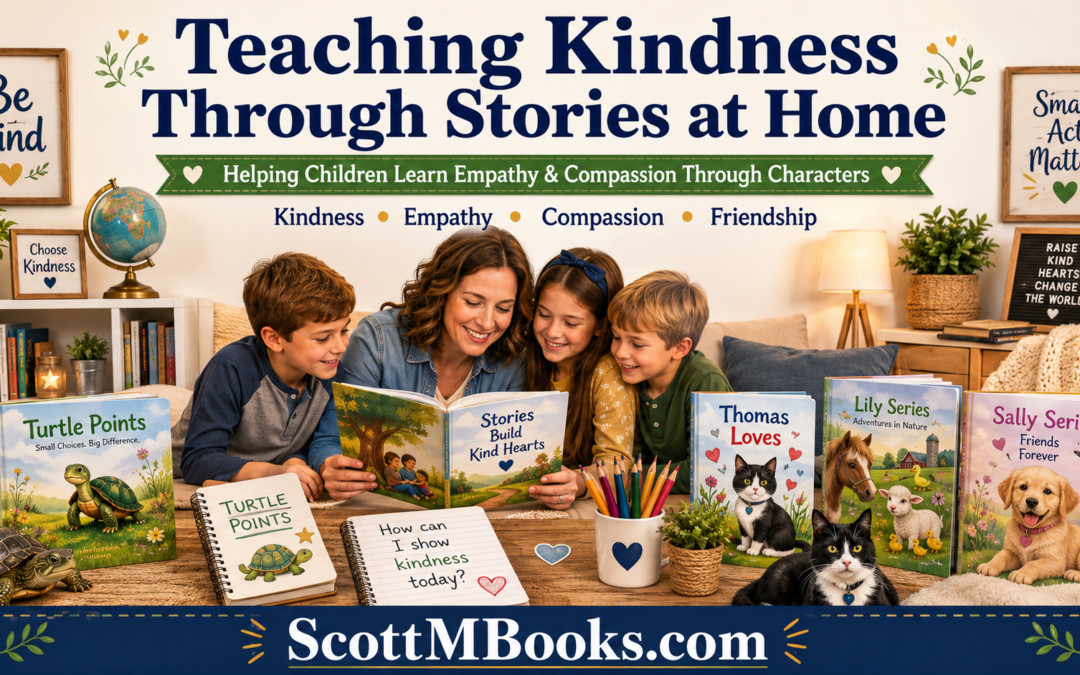
Kindness is one of the most important lessons children can learn, and one of the best ways to teach it is through stories. Children often understand kindness more clearly when they see it lived out through characters. A story allows a child to watch someone make a choice, help another person, care for an animal, include a friend, or show compassion in a difficult moment. Instead of simply hearing the words “be kind,” children see what kindness looks like, sounds like, and feels like.
At home, stories can become powerful tools for teaching empathy and compassion. When parents read with their children, they can pause and ask, “How do you think that character feels?” or “What would you do if you saw someone who needed help?” These questions help children step into someone else’s experience. That is the beginning of empathy. When children learn to notice the feelings and needs of others, they become more thoughtful, caring, and aware of how their choices affect the people and animals around them.
Why Stories Help Children Understand Kindness
Young children are still learning how to understand emotions, solve problems, and make good choices. Stories give them a safe place to practice these skills. A child can see a character feel nervous, lonely, excited, disappointed, or brave. Then they can talk about those feelings with a parent.
This matters because kindness is not just about being polite. Kindness is about noticing others. It is about asking, “Who needs help?” “Who feels left out?” “Who needs patience?” “Who needs encouragement?” A good children’s book can convey these lessons in simple, memorable ways.
When kindness is connected to a story, children are more likely to remember it. They may forget a lecture, but they often remember a character who helped a turtle, cared for a pet, welcomed a new friend, or comforted a scared animal.
Teaching Kindness with Turtle Points
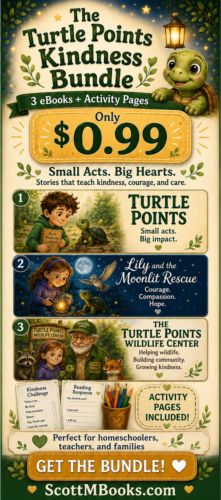
Turtle Points is a strong example of how a story can teach children that small acts of kindness matter. Through Ben’s love for turtles and his desire to help, children learn that kindness does not always have to be big or dramatic. Sometimes kindness is quiet. Sometimes it is careful. Sometimes it is simply noticing a need and doing something good.
The story helps children understand that helping should also be safe and responsible. Ben’s mission can lead to important conversations at home about caring for animals, respecting nature, and helping others in thoughtful, safe ways. Parents can ask questions such as:
- Why did Ben care so much about helping turtles?
- How did his kindness make a difference?
- What is one small act of kindness we can do today?
- How can we help others safely?
These questions help children connect the story to their own lives. They begin to see that kindness is something they can practice every day.
Teaching Compassion with the Lily Series
The Lily Series is filled with moments that help children understand compassion. Lily’s stories often involve animals, nature, family, and learning from Grandpa Jim. Whether Lily is helping on the farm, caring for animals, or learning to be brave in a new situation, she shows children that compassion begins with paying attention.
In Lily and the Summer Farm, Lily learns responsibility through chores, patience through gardening, and compassion through caring for animals. She discovers that helping does not always mean doing something perfectly. Sometimes it means showing up, trying your best, and being gentle with living things.
In Lily and the Wildlife Rescue, Lily learns that caring for animals requires patience, respect, and guidance from adults. This is an important lesson for children because it teaches that compassion is not just about loving animals; it is also about protecting them, giving them space, and understanding their needs.
Parents can use Lily’s stories to ask:
- How did Lily show care for animals?
- Why is it important to be gentle?
- How did Grandpa Jim help Lily understand responsibility?
- What does compassion look like at home?
These conversations help children learn that kindness includes patience, gentleness, and respect.
Teaching Empathy with the Sally Series
The Sally Series helps children understand kindness through friendship, inclusion, and growing up. Sally faces situations that many children can relate to: going to new places, meeting new people, caring for a puppy, and learning how to be a good friend.
In Sally and the County Fair, Sally welcomes Maria, a new friend, into her day at the fair. This story can help children understand how powerful inclusion can be. A child who feels nervous or new may only need someone to smile, invite them along, or stay beside them. Sally’s kindness shows that friendship often begins with making room for someone else.
In Sally and the Summer Surprise, Sally learns about caring for Patches, her puppy. This gives children a relatable way to talk about responsibility, patience, and love. Pets need care, attention, and gentleness. Through Sally’s example, children can see that kindness is something we show through daily actions.
Parents can ask:
- How did Sally make Maria feel included?
- Why is it important to welcome someone new?
- How does Sally show responsibility toward Patches?
- What can we do when someone feels nervous or left out?
These questions help children think about kindness in friendships, family life, and everyday situations.
Teaching Care and Patience with the Thomas Loves Series
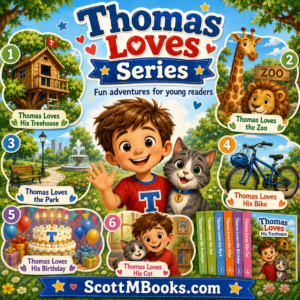
The Thomas Loves Series is especially helpful for younger children because the stories are built around familiar experiences. Thomas enjoys everyday adventures involving his cat Whiskers, his treehouse, the zoo, the park, his bike, and his birthday. These simple settings make the lessons easy for young readers to understand.
In Thomas Loves His Cat, children can see how caring for a pet teaches patience, gentleness, and responsibility. Thomas learns that love is shown through small actions—feeding, playing, comforting, and spending time with Whiskers. These are lessons young children can easily apply in their own homes.
The Thomas Loves Series also helps children appreciate curiosity, family time, and the joy of ordinary moments. Parents can use these stories to ask:
- How does Thomas show kindness to Whiskers?
- What does it mean to be gentle with animals?
- How can we show patience when caring for someone?
- What small kind thing can we do today?
For younger children, these simple questions can lead to meaningful conversations about love, responsibility, and care.
How Parents Can Use Stories to Teach Kindness
Teaching kindness through stories does not require a complicated lesson plan. Parents can use a simple three-step approach: read, talk, and practice.
First, read the story together. Let the child enjoy the characters and events. Next, talk about the choices the characters made. Ask how the characters felt, who needed help, and what kind action made a difference. Finally, help your child practice the lesson in real life.
For example, after reading Turtle Points, a child might choose one safe act of kindness to do that day. After reading a Lily story, they might help care for a pet, water a plant, or do a chore gently and responsibly. After reading a Sally story, they might invite someone to play, write a kind note, or help a younger sibling. After reading a Thomas story, they might spend time caring for a family pet or helping with a simple responsibility at home.
Simple Discussion Questions for Any Story
Parents can use the following questions with almost any children’s book:
- Who needed kindness in this story?
- How did the main character help?
- How did someone feel at the beginning of the story?
- How did they feel at the end?
- What choice showed compassion?
- What would you have done?
- How can we practice this lesson today?
These questions help children move beyond simply remembering the story. They help children think about feelings, choices, consequences, and real-life kindness.
Turning a Story into a Kindness Activity
A story becomes even more powerful when children act on the lesson. After reading, parents can invite children to complete a small kindness activity.
Here are a few simple ideas:
- Draw a picture for someone who needs encouragement
- Help with a chore without being asked
- Feed or care for a pet with adult guidance
- Say something kind to a sibling or friend
- Make a thank-you card
- Pick up toys or books to help the family
- Create a kindness chart
- Start a family “small acts of kindness” jar
- Write or draw one kind thing they did that day
These activities help children understand that kindness is not only something they read about. It is something they can do.
Why This Matters at Home
Home is one of the most important places where character is formed. Children learn from what they see, hear, read, and practice each day. When parents use books to talk about kindness, children begin to understand that caring for others is part of daily life.
Stories give families a gentle way to talk about important lessons. They can help children understand friendship, responsibility, courage, patience, compassion, and empathy without making the lesson feel forced. A story opens the door. A conversation helps the child understand. A small action helps the lesson become real.
Final Thoughts
Teaching kindness through stories at home is simple, meaningful, and powerful. Children learn empathy when they see characters notice the feelings of others. They learn compassion when they see characters care for animals, friends, family, and neighbors. They learn responsibility when they see kindness practiced through small daily choices.
Books such as Turtle Points, the Thomas Loves Series, the Lily Series, and the Sally Series give parents a helpful way to teach these lessons in a warm and age-appropriate way. Through Ben, Thomas, Lily, Sally, and their friends, children can see that kindness matters, compassion can be practiced, and even small actions can make a big difference.
At ScottMBooks.com, the goal is to provide stories that help children grow as readers and as people. When families read together and talk about the lessons inside each story, books become more than entertainment. They become tools for shaping kind hearts, thoughtful choices, and compassionate children.
Visit ScottMBooks.com to explore children’s books, reading resources, and character-building activities for families and homeschool learners.