Teaching Courage and Confidence Through Children’s Books
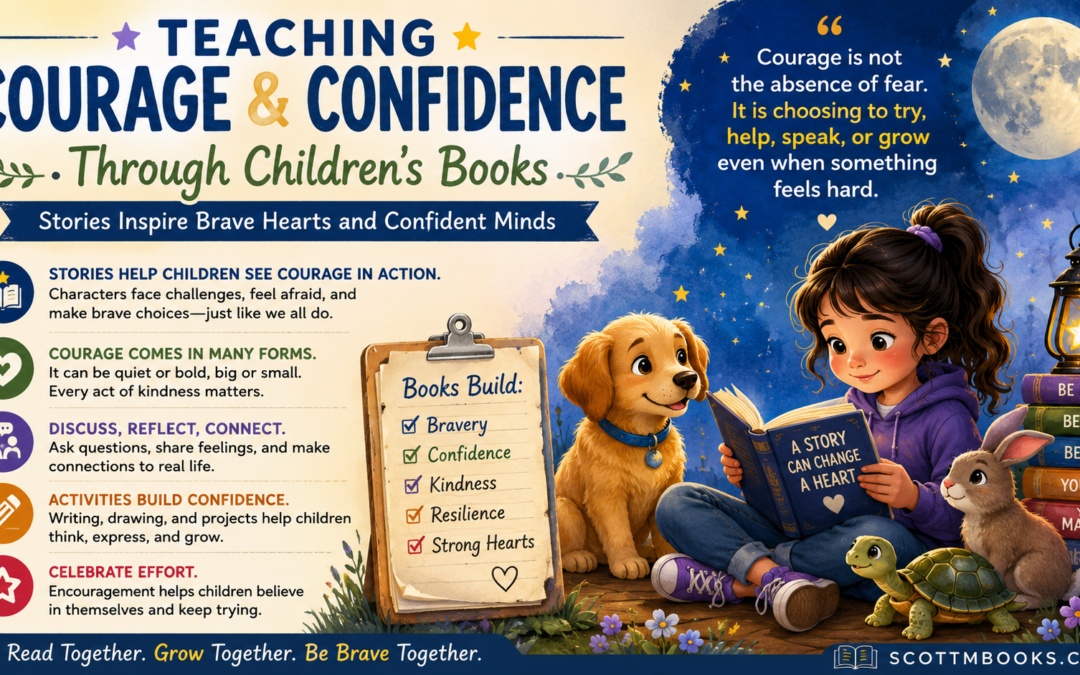
Children learn courage in many ways. They learn it when they try something new, speak up when something is wrong, make a good choice, help someone in need, or keep going when a task feels difficult. Courage is not only found in big heroic moments. Often, courage begins in small, everyday choices.
Children’s books are a powerful way to teach courage and confidence because they show young readers bravery in action. Through characters, children can watch someone feel nervous, face a problem, make a decision, and grow stronger. A good story gives children a safe place to explore big emotions and important life lessons.
For parents, teachers, and homeschool families, books can open the door to conversations about bravery, self-belief, kindness, responsibility, and perseverance.
Why Stories Help Children Understand Courage
Courage can be hard for children to understand when it is explained only as an idea. But when they see a character act courageously, the lesson becomes easier to recognize.
A child may understand courage better when a character:
Tries a new activity
Makes a new friend
Admits a mistake
Helps someone who is scared
Stands up for what is right
Keeps trying after failing
Faces a fear one small step at a time
Stories help children realize that brave people are not always fearless. In many children’s books, the character feels unsure, nervous, or afraid. The lesson is that courage means doing what is right or helpful even when something feels difficult.
That message can be very encouraging for young readers.
Confidence Grows Through Connection
When children connect with a character, they begin to see parts of themselves in the story. A shy child may relate to a character who is nervous on the first day of school. A child learning responsibility may connect with a character caring for a pet. A child who worries about making mistakes may feel encouraged by a character who keeps trying.
These story connections help children think, “Maybe I can do that too.”
Confidence grows when children see that learning, growing, and trying again are normal parts of life. Books remind children that every character has challenges, and those challenges can lead to growth.
Teaching Courage Through Discussion
One of the easiest ways to teach courage through books is to ask thoughtful questions after reading. Parents and teachers do not need a complicated lesson plan. A simple conversation can help children understand the character’s choices.
Helpful discussion questions include:
What problem did the character face?
How did the character feel at first?
What brave choice did the character make?
Did the character need help?
What did the character learn?
Have you ever felt like this character?
What is one brave thing you can try this week?
These questions help children move beyond the plot. They begin to think about feelings, choices, consequences, and personal growth.
Courage Does Not Always Look Loud
Some children think courage means being bold, loud, or never afraid. Books can help show that courage comes in many forms.
Courage can look like a quiet apology.
Courage can look like asking for help.
Courage can look like including someone who feels left out.
Courage can look like telling the truth.
Courage can look like trying again after a mistake.
Courage can look like being kind when kindness is hard.
This is an important lesson for children. Not every child is naturally outgoing. Not every child wants attention. Books can show that quiet courage matters too.
Building Confidence Through Reading Activities
After reading a story, children can complete simple activities that help them reflect on courage and confidence.
A few helpful activity ideas include:
Character Courage Chart
Students write the character’s name, the challenge they faced, how they felt, what brave choice they made, and what happened next.
My Brave Moment Page
Children write or draw about a time they had to be brave.
Confidence Sentence Starters
Students complete sentences such as, “I can try…,” “I am proud when…,” and “One thing I am learning is…”
Draw the Brave Scene
Children draw a scene where the character showed courage and write a caption explaining why it was brave.
Courage and Kindness Reflection
Students explain how courage and kindness worked together in the story.
These activities help children process the lesson in a personal and meaningful way.
Using ScottMBooks Stories to Teach Courage
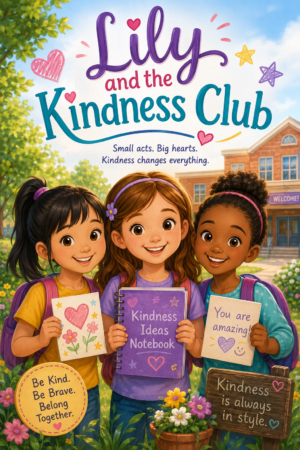
Many ScottMBooks stories naturally include themes of courage and confidence. Characters like Lily, Sally, Thomas, and Ben often face new situations, responsibilities, friendships, worries, and choices.
A story about helping an animal can teach courage through compassion. A story about school can teach courage through friendship and inclusion. A story about family or growing up can teach courage through responsibility and trying again.
For example, Lily’s stories often show gentle courage through kindness, healing, and helping others. Sally’s stories can help children think about confidence, friendship, and responsibility. Thomas’s stories can support conversations about curiosity, trying new things, and learning from everyday experiences.
When children read about characters who grow through challenges, they begin to understand that they can grow too.
Helping Children Apply the Lesson in Real Life
The strongest reading lessons happen when children connect a story to their own lives. After reading, parents and teachers can ask children to choose one small brave action they can practice.
This might be:
Reading aloud for a few minutes
Trying a new activity
Helping a younger sibling
Introducing themselves to someone new
Asking a question when they do not understand
Finishing a difficult assignment
Sharing a kind word
Taking responsibility for a mistake
Small actions build confidence. Each time a child tries, learns, and keeps going, they begin to believe in their own ability to grow.
Encouragement Matters
Children need encouragement as they build courage. A child who hears, “You were brave to try,” or “I like how you kept going,” learns that effort matters.
Confidence does not grow from perfection. It grows from practice, support, and positive experiences. Books provide the lesson, but caring adults help children apply it.
When a parent or teacher celebrates effort, children learn that courage is not about getting everything right. It is about showing up, trying again, and making good choices along the way.
Final Thoughts
Children’s books are more than entertainment. They are tools for teaching character, confidence, and courage. Through stories, children can see characters face problems, make choices, help others, and grow stronger.
When parents, teachers, and homeschool families use books with discussion, writing, drawing, and reflection, reading becomes a meaningful character-building experience.
Courage begins with small steps. Confidence grows through encouragement. And a good story can help a child believe, “I can try too.”