How to Help a Child Who Says, “I Don’t Like Reading”
When a child says, “I don’t like reading,” it can be discouraging for parents and teachers. Reading is an important part of learning, and we naturally want children to experience the enjoyment, imagination, and confidence that books can provide.
However, a child who says they dislike reading may not truly dislike stories. They may be struggling with difficult words, feeling embarrassed about reading slowly, losing interest in books that do not match their preferences, or associating reading with tests and correction. Instead of arguing with the child or immediately assigning more reading, begin by discovering what is behind the statement.
With patience, encouragement, and the right materials, many reluctant readers can begin to see books differently.
Start by Listening
A child’s dislike of reading usually has a reason. Ask gentle questions and give the child time to explain.
You might say:
- “What part of reading feels difficult?”
- “Are the books boring, confusing, or too long?”
- “Do you enjoy being read to?”
- “What kinds of stories would you like to hear?”
- “Is there a book you have enjoyed before?”
Try not to correct or dismiss the child’s feelings. Saying, “Reading is not boring,” may end the conversation. A more helpful response might be:
“I understand that reading has not felt enjoyable lately. Let’s find something that works better for you.”
Listening shows the child that reading is not a battle. It is a skill you can work on together.
Find Out Whether Reading Feels Too Difficult
Some children avoid reading because the material is above their current reading level. A book may have an interesting cover and an exciting topic, but if nearly every sentence contains unfamiliar words, reading can quickly become exhausting.
Watch for signs that a child may be struggling:
- Guessing at many words
- Frequently losing their place
- Reading very slowly
- Avoiding reading aloud
- Becoming frustrated after only a few minutes
- Understanding a story when it is read aloud but not when reading independently
- Saying that the words move, blur, or are difficult to see
- Remembering very little after reading
Choose books that allow the child to experience success. Easier books are not a step backward. They can help build fluency, confidence, and enjoyment.
When a child can read most of the words comfortably, they have more mental energy available to understand and enjoy the story.
Let the Child Choose the Topic
Adults sometimes select books based only on reading level or educational value. Children, however, are more likely to read when the subject genuinely interests them.
A child may be interested in:
- Animals
- Sports
- Dinosaurs
- Space
- Vehicles
- Friendship
- Mysteries
- Nature
- Art
- Humor
- Real-life adventures
- Pets
- Heroes and helpers
Offer several appropriate choices rather than selecting one book and requiring the child to finish it.
For example, ask:
“Would you rather read about a puppy, a trip to the zoo, or an adventure at summer camp?”
Choice gives children a sense of ownership. The goal is not to make them read the book you prefer. The goal is to help them discover that reading can connect with something they already enjoy.
Try Different Types of Reading Material
Not every child will begin loving reading through a traditional chapter book. Some children respond better to visual, interactive, or shorter formats.
Consider offering:
- Picture books
- Graphic novels
- Comic books
- Magazines
- Joke books
- Poetry
- Short stories
- Fact books
- Illustrated biographies
- Recipe books
- Instructions for crafts or science projects
- Audiobooks paired with printed text
- Digital eBooks
All meaningful reading counts. A child who reads instructions for building a model, studies animal facts, or follows a recipe is practicing vocabulary, sequencing, comprehension, and attention.
Once reading becomes associated with curiosity rather than pressure, the child may become more willing to explore other kinds of books.
Read Aloud Without Making It a Test
Children can benefit from read-aloud time even after they learn to read independently. Listening to an adult read allows them to enjoy stories that may be above their current reading level.
Read with expression, pause for interesting moments, and enjoy the story together. Avoid stopping after every page to ask comprehension questions. Too many questions can make reading feel like an examination.
Instead, use occasional conversational comments:
- “That was a surprising choice.”
- “I wonder what will happen next.”
- “That character seems worried.”
- “This reminds me of something that happened to us.”
The child may naturally begin sharing thoughts and predictions. These relaxed conversations strengthen comprehension without taking away the enjoyment of the story.
Share the Reading
A reluctant reader may feel overwhelmed by an entire page or chapter. Shared reading can make the experience feel more manageable.
You can take turns by:
- Reading alternate pages
- Reading alternate paragraphs
- Letting the child read the dialogue
- Reading difficult sections for the child
- Allowing the child to choose how much to read
- Listening to an audiobook while following the printed text
Another useful method is echo reading. The adult reads a sentence with expression, and the child reads the same sentence afterward. This helps children hear fluent reading and practice without facing the text alone.
Shared reading communicates an important message:
“You do not have to struggle by yourself.”
Keep Reading Time Short and Consistent
A child who already dislikes reading may become more resistant when asked to read for a long period. Begin with a small, realistic goal.
Five or ten peaceful minutes can be more valuable than thirty minutes filled with frustration.
Create a simple routine:
- Choose a comfortable place.
- Remove unnecessary distractions.
- Let the child select the book.
- Read together for a short period.
- Stop while the experience is still positive.
As the child becomes more comfortable, reading time can gradually increase. Consistency is more important than length.
A short daily routine helps reading feel familiar rather than overwhelming.
Make the Reading Environment Comfortable
Reading does not always have to take place at a desk. Some children enjoy reading more when the environment feels relaxed and personal.
Try reading:
- On the couch
- In a blanket fort
- Outside under a tree
- In a quiet corner
- Beside a family pet
- Before bedtime
- During a picnic
- In a favorite chair
- With soft background lighting
Allowing a child to hold a stuffed animal, use a bookmark, or choose a special reading spot can make the routine feel inviting.
The environment should communicate that reading is something to enjoy, not a punishment for unfinished schoolwork.
Connect Books to Real Life
Children often become more interested in reading when a story connects to something they can do, discuss, or experience.
After reading, you might:
- Visit a park mentioned in the story
- Draw a favorite scene
- Make a snack connected to the book
- Look up an animal from the story
- Build something a character created
- Act out a scene
- Write a letter to a character
- Complete a simple kindness challenge
- Create a new ending
- Compare the story to a personal experience
For example, after reading a story about a child caring for a pet, the reader could make a responsibility chart for feeding, grooming, or safely playing with a family pet.
These activities show children that books are connected to ideas, feelings, creativity, and everyday life.
Focus on Progress Rather Than Perfection
Correcting every mistake can make a child nervous about reading aloud. Some errors should be addressed, especially when they change the meaning of a sentence, but constant interruption can damage confidence.
Allow the child a moment to work through a difficult word. When help is needed, offer it calmly.
Praise specific efforts:
- “You kept trying even when that word was difficult.”
- “You noticed that the sentence did not make sense and read it again.”
- “You used the picture to help understand the story.”
- “Your reading sounded smoother today.”
- “You remembered an important detail from the beginning.”
Specific praise helps children recognize that reading ability grows through practice.
Avoid comparisons with siblings, classmates, or grade-level expectations. A child needs to see their own progress, not feel that they are competing with someone else.
Do Not Use Reading as a Punishment
Children may develop negative feelings about books when reading is used as a consequence.
Statements such as “You lost screen time, so now you have to read” teach the child that reading belongs in the same category as punishment. Similarly, requiring extra pages because of poor behavior can create resentment.
Reading should be presented as a valuable and enjoyable part of life. Consequences for behavior should remain separate from literacy practice.
Let Children See Adults Reading
Children notice what adults regularly do. When they see parents and teachers reading books, newspapers, magazines, recipes, or instructional materials, they learn that reading has a purpose beyond school assignments.
Talk naturally about what you read:
“I read an interesting article today.”
“I’m looking at these instructions so I know how to fix this.”
“This book is making me think about something differently.”
You can also create a short family reading period in which everyone chooses something to read. The child does not need to read the same kind of material as the adults. The shared routine shows that reading is a normal and valued activity.
Celebrate Completed Books and Reading Goals
Recognition can help a reluctant reader feel proud, but the celebration does not need to be expensive.
Consider using:
- A reading certificate
- A sticker chart
- A reading log
- A special bookmark
- A library visit
- An opportunity to choose the next family read-aloud
- A display of completed book covers
- A positive note from the teacher
- A family celebration after reaching a reading goal
Celebrate effort, consistency, and growth—not only the number of books completed.
A child who reads one short book with understanding has achieved more than a child who rushes through several books without engagement.
Choose Follow-Up Activities Carefully
Activity pages can strengthen comprehension, vocabulary, writing, and critical thinking. However, children who already feel reluctant may become discouraged if every story is followed by a large packet of work.
Begin with one short activity that matches the child’s strengths.
A child who enjoys art might draw a favorite scene. A child who enjoys talking might give an oral book review. A child who likes organizing information might complete a story map or sequencing page.
Useful options include:
- Drawing the favorite character
- Retelling the beginning, middle, and end
- Choosing three new vocabulary words
- Describing the story’s main problem
- Writing one sentence about the lesson
- Rating the book
- Comparing two characters
- Completing a kindness challenge inspired by the story
The activity should extend the reading experience, not make the child regret finishing the book.
Know When Additional Support May Be Needed
Some children need more than encouragement and access to interesting books. Persistent reading difficulty may be connected to problems with decoding, fluency, language development, attention, vision, or another learning need.
Speak with the child’s teacher, reading specialist, or other appropriate professional when the child regularly struggles to recognize common words, understand age-appropriate text, remember what was read, or make expected progress despite consistent support.
Seeking help is not labeling a child or admitting failure. Early support can help identify the instruction and tools the child needs to become a more confident reader.
Replace Pressure With Curiosity
A child who says, “I don’t like reading,” is not necessarily rejecting learning. The child may be communicating frustration, boredom, embarrassment, or a need for a different approach.
Begin with curiosity rather than correction.
Listen to the child. Offer choices. Select manageable books. Read together. Keep sessions short. Connect stories to real life. Celebrate effort and protect the joy of reading.
A love of books does not always appear immediately. Sometimes it grows slowly—through one interesting character, one successful page, one shared laugh, or one story that makes a child feel understood.
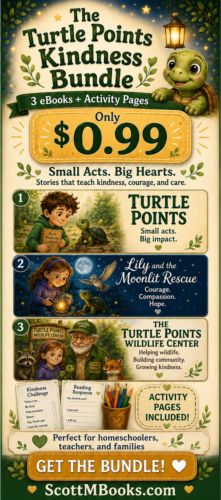
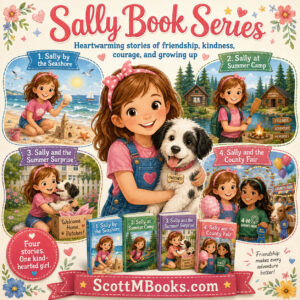
At ScottMBooks.com, families, teachers, and homeschool parents can explore children’s eBooks and printable reading activities designed to support comprehension, vocabulary, creativity, and character development. Choose a story that matches your child’s interests, enjoy it together, and take the next reading step one page at a time.