Do Illustrations Influence Which Books Your Child Chooses?
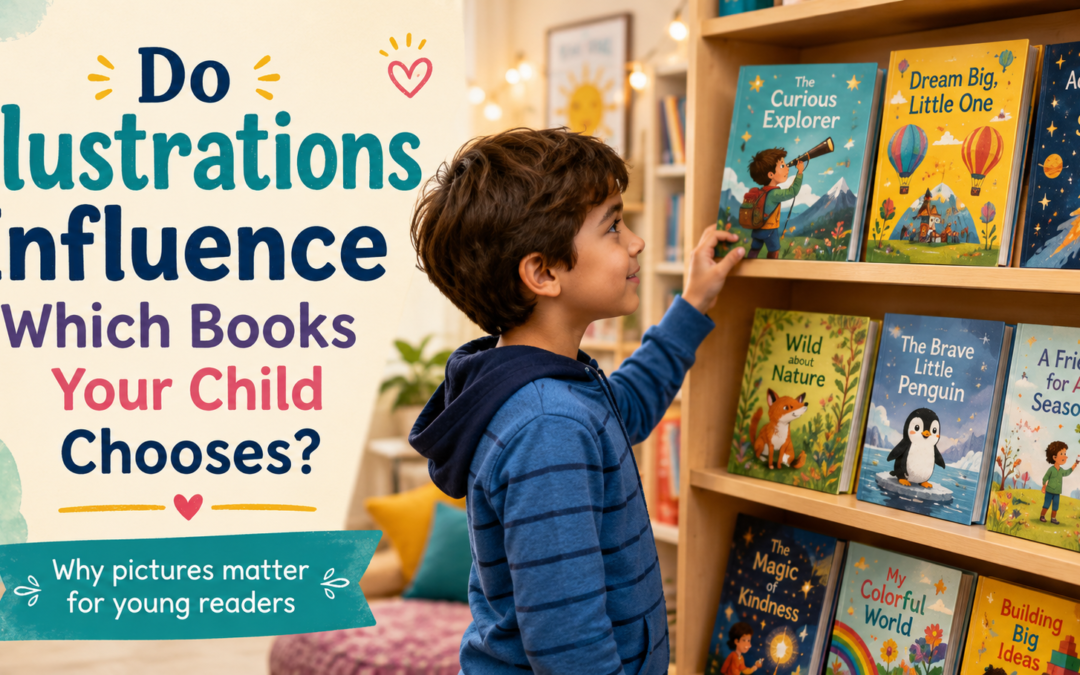
When children walk into a library, classroom, or bookstore, they are often surrounded by hundreds of books. Before they read a title, recognize an author, or understand what the story is about, they usually notice the cover.
A colorful picture, an interesting character, or an exciting scene can quickly capture a child’s attention. For many young readers, illustrations are not simply decorations. They are an important part of how children discover, understand, and enjoy books.
So, do illustrations influence which books your child chooses? In many cases, the answer is yes.
Children Often Choose With Their Eyes First
Young children may not yet have the reading skills needed to examine a book description or read the first few pages independently. Instead, they look for visual clues.
A child might choose a book because the cover includes:
- A friendly animal
- A child who looks interesting or relatable
- Bright and cheerful colors
- A funny facial expression
- An exciting setting
- A familiar object, such as a bicycle, puppy, farm, or playground
The illustration gives the child an immediate idea of what kind of experience the book may offer.
A picture of children laughing together might suggest a story about friendship. A dark forest may promise mystery or adventure. A worried character may make a child curious about what happened and how the problem will be solved.
Before a child reads a single sentence, the artwork has already started telling the story.
Illustrations Help Children Predict the Story
Pictures encourage children to make predictions. They begin asking questions such as:
“What is that character doing?”
“Why does the girl look sad?”
“Where are they going?”
“What will happen to the animal?”
These questions create curiosity. Curiosity motivates children to open the book and continue reading.
Making predictions is also an important reading-comprehension skill. When children study a cover or page illustration, they practice noticing details, interpreting emotions, and connecting visual clues to possible events.
Parents and teachers can support this skill by asking children what they think the story will be about before reading.
Characters Become More Memorable
Children often connect strongly with illustrated characters. A character’s clothing, expressions, posture, and surroundings help young readers understand who that person is.
A nervous face can show fear. A wide smile can communicate happiness. A character standing alone may suggest loneliness, while children playing together may represent friendship and belonging.
These visual details can make characters feel real and memorable.
Children may return to a book because they recognize a favorite character. They may also begin to identify with the character’s experiences. A child starting at a new school might be drawn to a book showing another child entering a classroom. A child who loves animals may choose a story featuring a puppy, turtle, cat, or rescued bird.
When children see characters they care about, they are more likely to become emotionally involved in the story.
Pictures Support Early and Developing Readers
Illustrations can help children understand words and events that may otherwise be difficult.
For example, a child may not recognize every word in a sentence describing a county fair. However, a picture showing rides, food stands, animals, games, and colorful lights provides helpful context.
The child can use the illustration to understand the setting and make sense of unfamiliar vocabulary.
Pictures can also help children:
- Follow the order of events
- Identify the setting
- Recognize emotions
- Understand a problem
- Predict what may happen next
- Retell the story afterward
This support can make reading feel less intimidating, especially for beginning readers, reluctant readers, or children who are still developing confidence.
Illustration Styles Affect a Child’s Interest
Children do not all respond to the same type of artwork. One child may love bright cartoon illustrations, while another may prefer soft watercolor scenes. Some children are attracted to realistic animals, and others enjoy silly or imaginative characters.
A child’s preferences may also change over time.
Very young readers may respond to simple pictures with clear shapes and strong facial expressions. Older children may enjoy illustrations with more details, hidden objects, humor, or visual clues that add another layer to the story.
Parents can learn a great deal by noticing which books their children select repeatedly. The pattern may reveal preferred characters, subjects, colors, settings, or illustration styles.
The Cover Creates the First Impression
A book cover has an important job. It must attract attention while also giving readers an honest sense of the story.
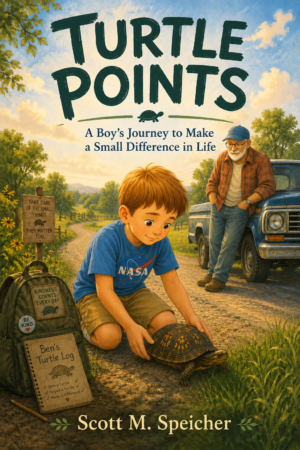
An effective children’s-book cover usually includes a clear title, an appealing main character, and artwork that reflects the book’s mood or central idea.
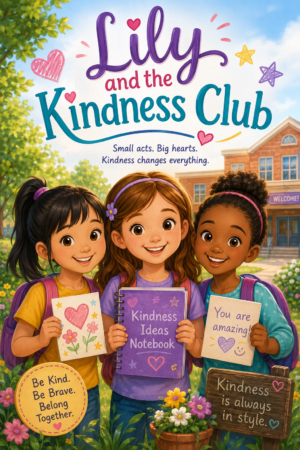
A story about kindness might show one child helping another. A book about courage could feature a character facing a new challenge. A story about responsibility might show a child caring for a pet, completing a task, or helping at home.
When the cover and story work together, children can make a more informed choice about whether the book interests them.
Illustrations Can Encourage Conversation
Pictures give adults and children something to discuss before, during, and after reading.
Try asking questions such as:
“What do you notice in this picture?”
“How do you think the character feels?”
“What details helped you decide?”
“What do you think will happen on the next page?”
“Would you want to visit this place?”
“Have you ever felt like this character?”
These conversations help children practice observation, vocabulary, emotional awareness, and critical thinking.
There is not always one correct answer. Children may notice small details adults overlook, and their interpretations can lead to meaningful discussions.
Pictures Should Support, Not Replace, the Story
Although illustrations can attract children to a book, the story still matters. The strongest children’s books combine engaging artwork with characters, lessons, and events that hold the reader’s attention.
A beautiful cover may encourage a child to open a book, but a meaningful story encourages the child to finish it and remember it.
Parents can help children look beyond the cover by reading a few pages together. Ask whether the story is interesting, whether the characters feel believable, and whether the child wants to know what happens next.
This teaches children that choosing a book can involve both visual appeal and story quality.
Let Your Child Help Choose
Allowing children to select some of their own books can increase their interest in reading. Adults can provide guidance while still giving children choices.
You might select several age-appropriate books and let your child choose the one that looks most interesting. Ask what attracted them to it. Their answer may surprise you.
They may choose a book because of a tiny animal in the corner, a character’s expression, the colors on the cover, or a setting that reminds them of somewhere they have visited.
There is value in allowing children to follow that curiosity.
Final Thoughts
Illustrations can have a powerful influence on which books children notice, open, and choose to read. Pictures create first impressions, introduce characters, provide clues, support comprehension, and encourage emotional connections.
For young readers, illustrations are part of the reading experience. They help children enter the story before they can fully understand every word.
The next time your child selects a book, ask what caught their attention. Their choice may reveal not only what they enjoy looking at, but also the kinds of characters, adventures, emotions, and lessons they are ready to explore.
A meaningful reading journey often begins with a single picture that makes a child curious enough to turn the page.