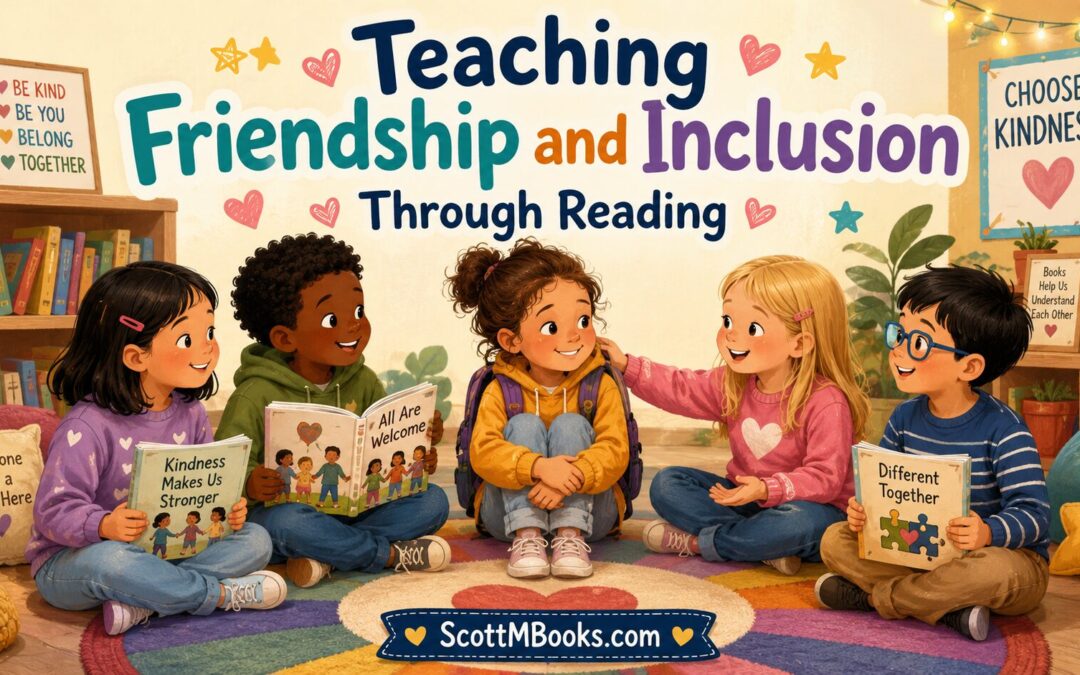
Teaching Friendship and Inclusion Through Reading
Friendship and inclusion are important lessons for children to learn, but these ideas can sometimes feel difficult to explain through rules alone. Stories make the concepts easier to understand by allowing children to see characters experience loneliness, make new friends, solve disagreements, include others, and discover how small acts of kindness can help someone feel welcome.
When parents, teachers, and homeschool families read stories about friendship with children, they create natural opportunities to discuss empathy, cooperation, fairness, courage, and belonging. A meaningful story can help a child imagine how another person feels and think about what they might do in a similar situation.
Stories Help Children Understand Different Feelings
Children may recognize when they feel happy, sad, nervous, or left out, but they do not always understand that other people experience those same emotions. Reading introduces children to characters with different personalities, backgrounds, worries, and needs.
A character may feel nervous on the first day of school, sit alone during recess, struggle to join a group, or wonder whether anyone will invite them to play. As children follow the story, they begin to understand the emotional experience behind the character’s behavior.
After reading, adults can ask questions such as:
- How was the character feeling?
- What happened that made the character feel that way?
- Have you ever felt something similar?
- What could another character do to help?
- What words might make the character feel welcome?
These conversations build emotional awareness and help children become more thoughtful about how their actions affect others.
Reading Shows What Inclusion Looks Like
Children may hear adults say, “Include everyone,” but they may not know exactly what that means. A story can provide clear examples.
Inclusion may look like:
- Inviting someone to sit at the lunch table
- Asking a new student to join a game
- Sharing materials during an activity
- Listening when another child has an idea
- Changing a game so more children can participate
- Noticing when someone is standing alone
- Offering encouragement to a nervous classmate
- Asking an adult for help when a situation becomes difficult
Books show children that inclusion often begins with a simple choice. One kind invitation can change someone’s entire day.
In Sally and the Friendship Bench, for example, children can explore what it means to notice someone who needs a friend. The story can open a discussion about courage, because reaching out to another person is not always easy. It can also remind children that everyone sometimes needs friendship—even a child who is usually confident and included.
Stories Encourage Empathy
Empathy means trying to understand another person’s feelings and point of view. Reading helps children practice this skill by asking them to imagine the world through a character’s eyes.
A child may initially think that a quiet character does not want to play. Through the story, the child may discover that the character is shy, new to the school, or worried about being rejected. This new understanding can help children avoid making quick assumptions about others.
Adults can strengthen empathy by asking:
- Why do you think the character acted that way?
- What might the character be worried about?
- Did another character misunderstand the situation?
- What could the characters do differently?
- How would the story change if no one offered help?
These questions encourage children to think beyond what happened and consider why it happened.
Books Teach Children How to Begin Friendships
Some children want to make friends but do not know what to say or do. Stories can model simple friendship skills in a safe and memorable way.
Children can learn to use phrases such as:
- “Would you like to play with us?”
- “Can I sit with you?”
- “What game do you like?”
- “Would you like to be my partner?”
- “I’m glad you are here.”
- “Do you want some help?”
- “Let’s take turns.”
These short sentences may seem simple to adults, but they can give children the confidence to approach someone new.
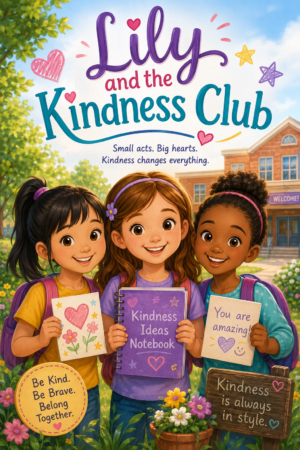
In Lily and the Kindness Club, children see how friendship can grow through thoughtful actions, encouraging words, and shared projects. The story also shows that kindness should be safe, helpful, and sincere. This is an important lesson because inclusion is not only about inviting others—it is also about treating them with respect.
Reading Helps Children Discuss Conflict
Friendship does not mean that children will always agree. Friends may argue, misunderstand each other, feel jealous, or become frustrated. Stories allow children to examine conflict without feeling personally blamed or embarrassed.
When a character makes a poor choice, adults can ask:
- What went wrong?
- Was the problem caused by words, actions, or a misunderstanding?
- How did each person feel?
- What could the characters say to one another?
- Should they ask an adult for help?
- How could they repair the friendship?
Children learn that disagreements do not have to end a friendship. They can apologize, listen, compromise, take turns, and try again.
Stories also teach an important boundary: children should not be expected to solve every problem by themselves. If someone is being bullied, threatened, or treated unfairly, asking a trusted adult for help is the right choice.
Books Can Challenge Exclusion and Unfairness
Reading can help children recognize behaviors that make others feel unwelcome. These may include ignoring someone, laughing at differences, refusing to share, leaving someone out of a group, or assuming someone cannot participate.
A story gives children an opportunity to discuss these situations before they encounter them in real life. Adults can explain that inclusion does not mean everyone must be best friends. It means treating people fairly, respectfully, and kindly.
Children can learn that they have several choices when they notice exclusion:
- Invite the person to join
- Speak up kindly
- Ask what the person needs
- Tell a trusted adult
- Suggest a fair solution
- Stay with someone who feels alone
This teaches children that they can help create a more welcoming classroom, playground, team, or community.
Friendship Lessons Can Continue After the Story
The conversation should not end when the book closes. Simple follow-up activities can help children connect the lesson to their own lives.
Create a Friendship Promise
Ask children to complete the sentence:
“I can help others feel included by…”
Their answers might include inviting someone to play, sharing supplies, listening carefully, or sitting with someone new.
Make Kindness Cards
Children can create cards with welcoming messages such as:
- You belong here.
- I am glad you are in our class.
- Would you like to play?
- Thank you for being kind.
- You are a good friend.
Role-Play Common Situations
Practice short scenarios, such as:
- A new student arrives.
- Someone is alone at recess.
- Two children want the same toy.
- A child is not chosen for a group.
- A friend says something hurtful.
- Someone is nervous about joining an activity.
Role-playing gives children a chance to practice helpful words before they need them.
Begin a Friendship Challenge
Choose one friendship goal for the week. Children might:
- Talk to someone new
- Give a sincere compliment
- Invite someone to join an activity
- Listen without interrupting
- Help solve a disagreement fairly
- Thank someone for being a good friend
At the end of the week, discuss what happened and how the actions made others feel.
Activity Pages Reinforce the Lesson
Printable Activity Pages can turn a story about friendship into a complete learning experience. After reading, children can answer comprehension questions, identify character feelings, sequence important events, explore vocabulary, write about a personal experience, and reflect on the lesson.
Useful activities may include:
- Character feelings pages
- Friendship word searches
- Story sequencing exercises
- Main idea and lesson pages
- Compare-and-contrast activities
- Writing prompts
- Kindness challenges
- Draw-your-favorite-scene pages
- Book review sheets
- Parent and teacher discussion guides
These activities help children slow down and think more deeply about what they have read. They also allow adults to see whether children understand the story’s message.
Building a Culture of Belonging
Reading one story will not teach every friendship skill a child needs. However, regular stories and conversations can gradually shape the way children think about others.
When children repeatedly see characters show kindness, welcome someone new, apologize after a mistake, solve a problem fairly, or ask for help, those actions become familiar. Children develop a larger vocabulary for talking about feelings and a clearer understanding of how friendship works.
Books can remind children that everyone wants to feel noticed, respected, and valued. They can also show that small actions—an invitation, a kind word, a shared seat, or a listening ear—can help create a place where everyone belongs.
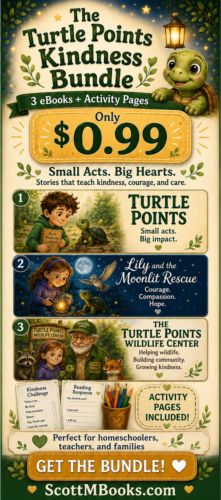
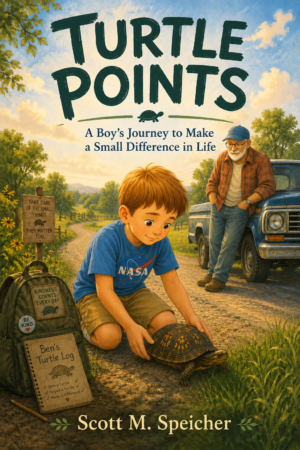
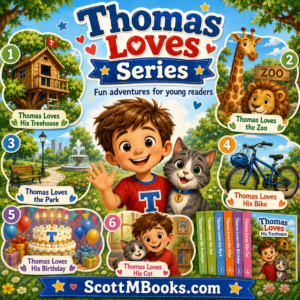
At ScottMBooks.com, stories featuring characters such as Sally, Lily, Thomas, and Ben help children explore friendship, kindness, courage, responsibility, empathy, and good choices. The accompanying Activity Pages extend the learning with discussion, writing, creativity, comprehension practice, and meaningful reflection. Together, the books and activities help parents, teachers, and homeschool families turn reading time into an opportunity to build stronger readers and more caring communities.