How to Turn a Children’s Book into a School Lesson
Children’s books are more than stories. They can become complete learning experiences that help students build reading comprehension, vocabulary, writing skills, creativity, and important life skills. A well-chosen children’s book can open the door to meaningful classroom conversations about kindness, courage, responsibility, patience, friendship, honesty, and caring for others.
Whether you are a teacher, homeschool parent, tutor, or reading group leader, you can turn almost any children’s book into a simple, effective school lesson by adding a few structured activities before, during, and after reading.
Start with a “Before You Read” Activity
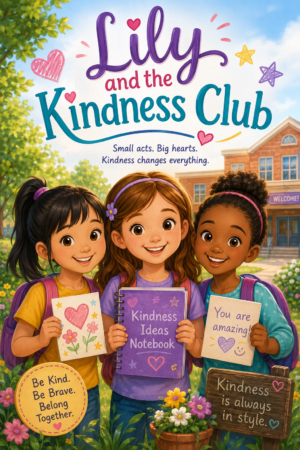
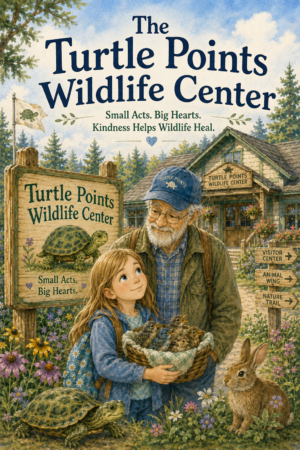
Before opening the book, help students prepare their minds for the story. Look at the title, cover, and pictures. Ask students what they think the story might be about. This builds curiosity and gives children a reason to pay attention as they read.
Good before-reading questions include:
What do you notice on the cover?
What do you think the main character will do?
Where do you think the story takes place?
What problem might happen?
What lesson do you think the character might learn?
You can also introduce a few vocabulary words from the story. Choose words that are important to the setting, problem, or lesson. For example, if the book is about the seashore, students might learn words like waves, shell, tide, lighthouse, courage, and kindness before reading.
Read with a Purpose
During the reading, encourage students to listen for specific story elements. Younger students can focus on characters, setting, and main events. Older students can look for the problem, character feelings, choices, and the lesson of the story.
A simple reading focus might be:
Who is the main character?
Where does the story happen?
What problem does the character face?
How does the character feel?
What choice does the character make?
What does the character learn?
This turns reading into active thinking. Students are not just hearing the story; they are learning how stories work.
Ask Story Comprehension Questions
After reading, use comprehension questions to check understanding. These questions should help students remember what happened and explain why it mattered.
You can ask:
Who was the story about?
Where did the story take place?
What happened at the beginning?
What problem did the character face?
What happened in the middle?
How was the problem solved?
How did the story end?
For stronger comprehension, ask students to answer in complete sentences. This helps them practice both reading and writing skills.
Sequence the Story
Sequencing is an excellent activity for helping students understand story structure. Ask students to put events in the correct order using words like first, next, then, after that, and finally.
For example:
First, the character sees a problem.
Next, the character tries to solve it.
Then, the character learns something important.
Finally, the story ends with a lesson.
Students can write the events, number them, cut and paste them, or draw a beginning-middle-end chart.
Talk About Character Feelings and Choices
Children’s books are powerful tools for social-emotional learning. Ask students how the character felt at key moments and what choices the character made.
Good discussion questions include:
How did the character feel at the beginning?
Why did the character feel that way?
What choice did the character make?
Was it a good choice? Why or why not?
What would you do in the same situation?
This helps children connect the story to real life. It also encourages empathy, problem-solving, and self-reflection.
Teach the Main Idea and Lesson
Every meaningful children’s book has a message. Help students identify the main idea and the lesson.
The main idea answers: What is the story mostly about?
The lesson answers: What does the story teach us?
A story might teach that kindness matters, courage means trying again, responsibility means doing the right thing, or friendship grows when people help each other.
Students can complete sentence frames such as:
This story is mostly about __________________________.
The character learns __________________________.
This lesson matters because __________________________.
I can use this lesson in my life by __________________________.
Add a Writing Activity
Writing prompts help students respond personally to the story. Keep prompts short and age-appropriate.
Examples:
Write about your favorite part of the story.
Write about a time you felt like the main character.
Write a letter to the main character.
Write a new ending for the story.
Write about the lesson the story teaches.
Write about what you would do in the same situation.
These prompts help students practice organizing thoughts, using complete sentences, and making personal connections.
Include a Creative Response
Not every response has to be written. Drawing activities are especially helpful for younger readers or visual learners.
Students can draw:
Their favorite scene
The main character
The setting
The problem
The ending
The lesson of the story
A new adventure for the character
After drawing, ask students to write one or two sentences explaining their picture. This combines art, comprehension, and writing.
Connect the Story to Life Skills
One of the best ways to use children’s books in school lessons is to connect them to real-life character development. Many stories naturally teach life skills such as kindness, patience, courage, responsibility, honesty, teamwork, and caring for others.
For example, after reading a story about helping someone, students can complete a kindness challenge. After reading a story about a pet, they can create a responsibility chart. After reading a story about trying something new, they can write about one brave step they can take.
These activities help children understand that books are not just for reading. Books can help us think, grow, and make better choices.
Create a Simple Lesson Plan
Here is an easy structure you can use with almost any children’s book:
1. Before Reading: Predict the story and review vocabulary.
2. During Reading: Listen for characters, setting, problem, and feelings.
3. After Reading: Answer comprehension questions.
4. Skill Practice: Sequence events or identify the main idea.
5. Life Lesson: Discuss what the character learned.
6. Writing Response: Complete a short writing prompt.
7. Creative Activity: Draw a favorite scene or create a related project.
8. Real-Life Connection: Choose one way to practice the lesson.
Final Thoughts
Turning a children’s book into a school lesson does not have to be complicated. With a few thoughtful questions and printable activities, one story can become a complete lesson in reading, writing, discussion, creativity, and character development.
Children learn best when stories feel meaningful. When students can talk about a character’s feelings, write about a lesson, draw a favorite scene, and connect the story to their own lives, reading becomes more than an assignment. It becomes a way to build understanding, confidence, kindness, and a lifelong love of learning.
For free children’s books and printable reading activities, visit ScottMBooks.com and explore resources designed for teachers, parents, and homeschool families.